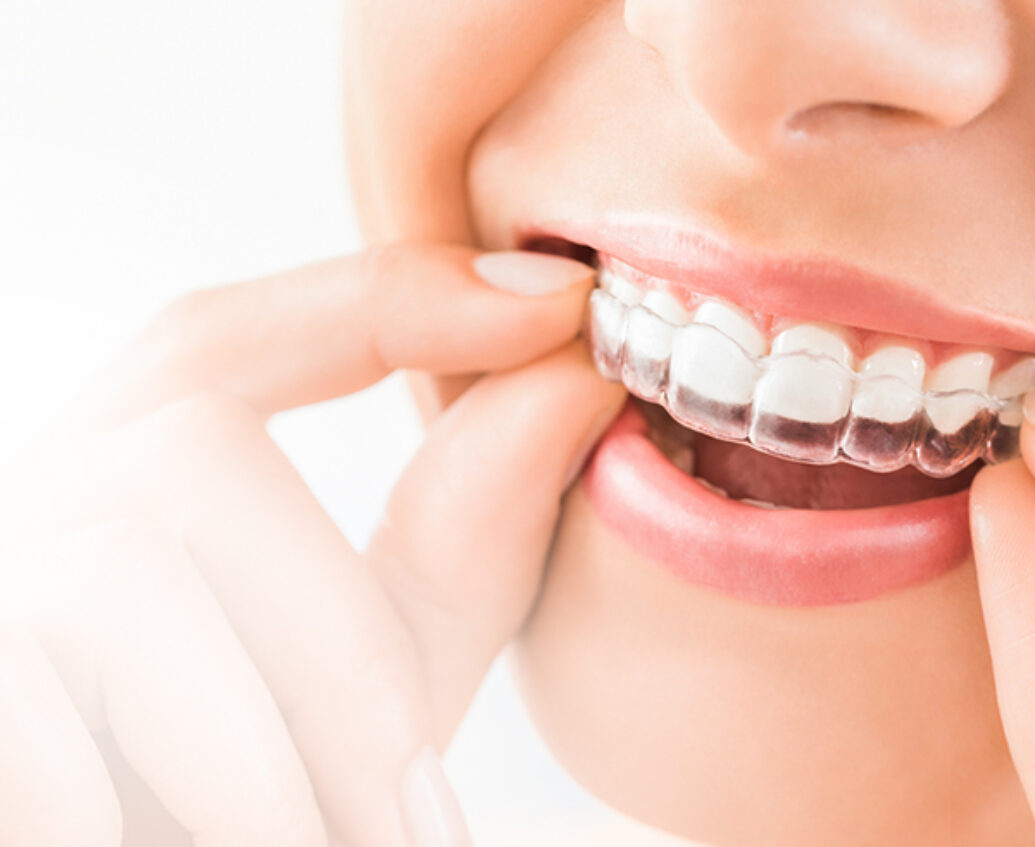
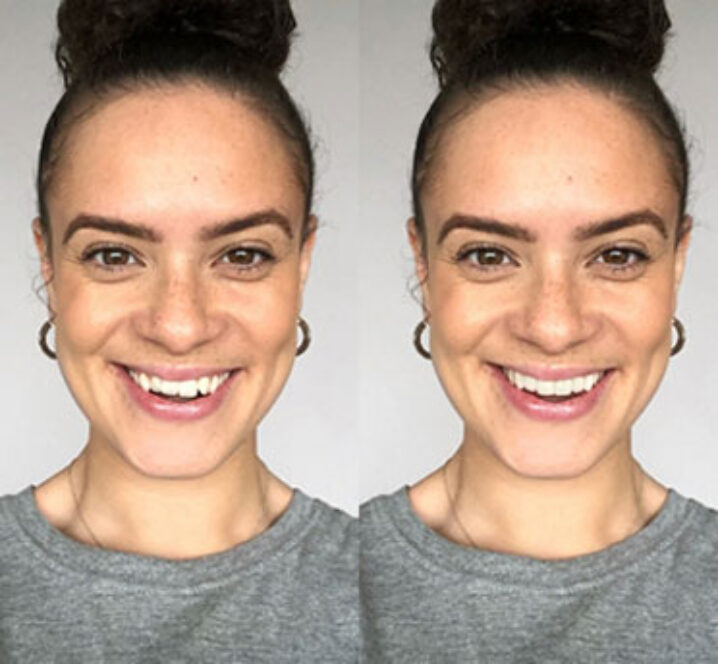
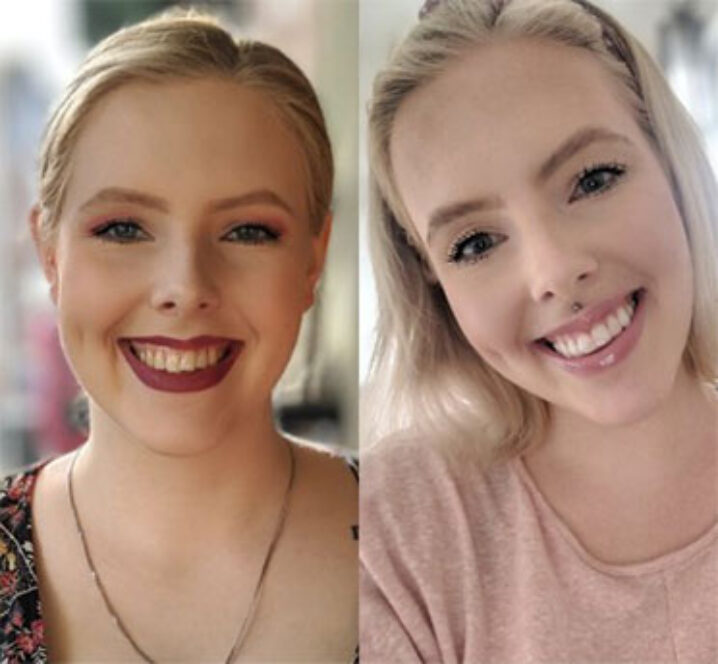
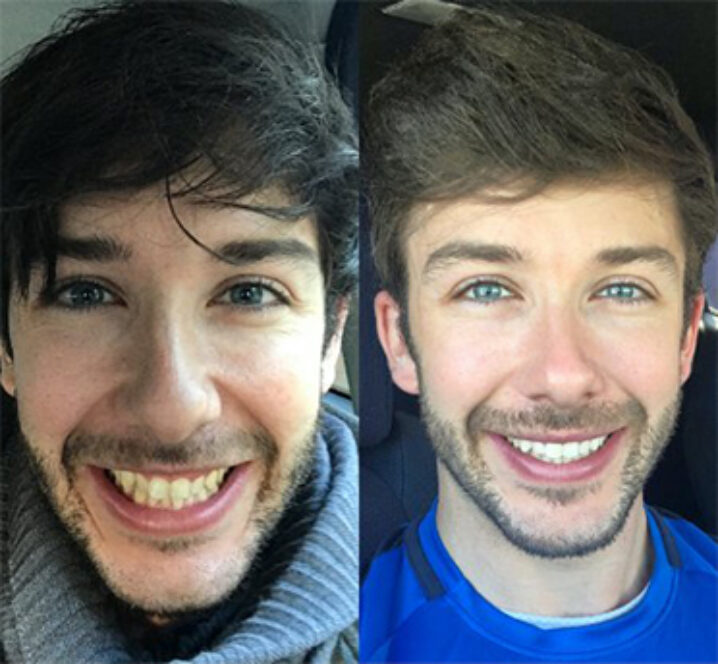
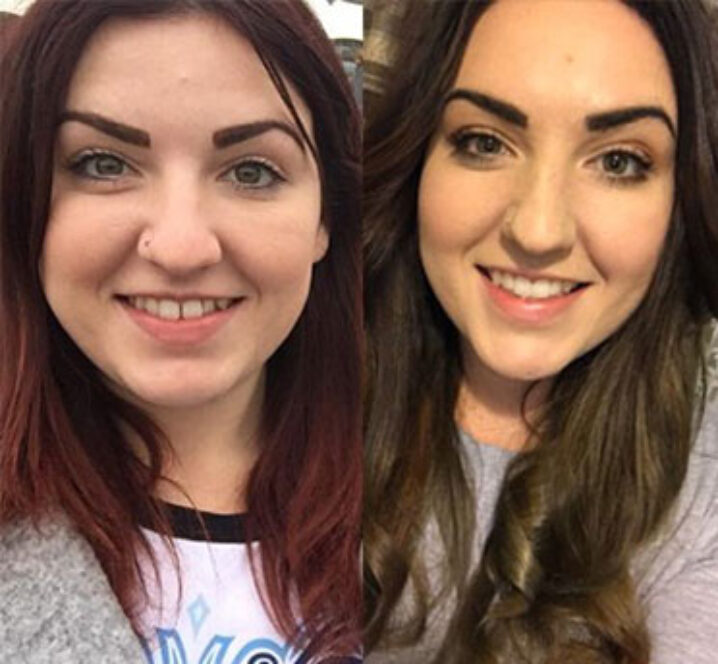
Our dentists have helped hundreds of patients achieve a natural-looking and balanced smile, using a treatment that fits around their lifestyle and independence.
You can expect Invisalign® to fix:
It all begins with an informal consultation chat. Our dentists are here to answer your questions and to explain the advantages and limitations of Invisalign®. We will provide all the information you need to make a considered decision about your teeth straightening journey from there onwards.
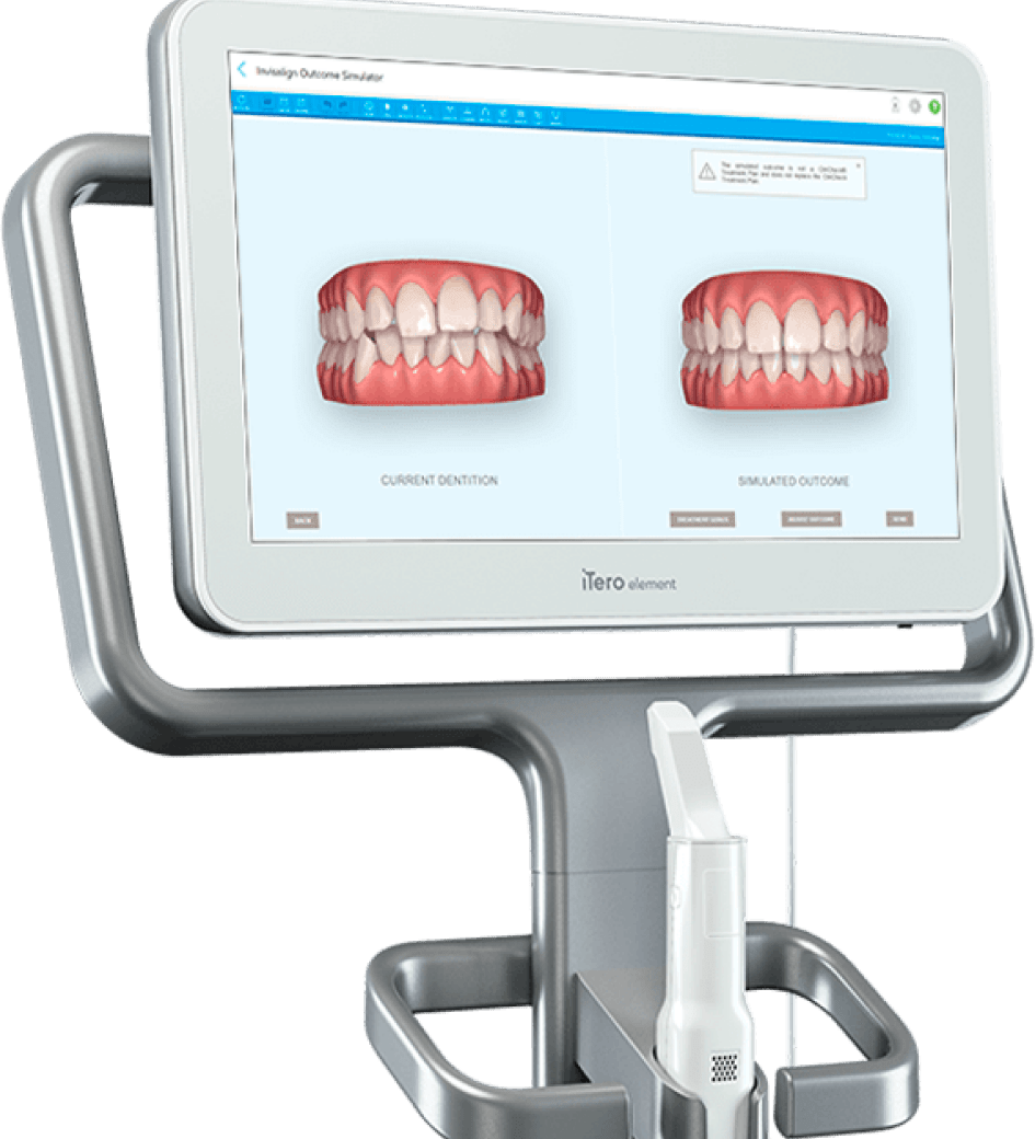
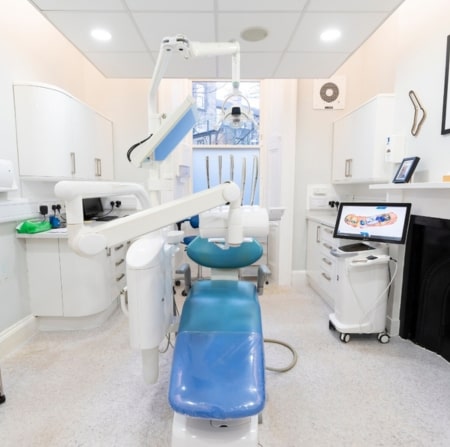
If you decide you wish to go ahead with treatment, we can start by taking digital scans of your teeth using our iTero machine. This software (coupled with our ClinCheck software) is used to generate a 3D digital image of your teeth and mouth. This is used to pinpoint every movement your teeth will go through, and your aligners are made with these predicted movements in mind (we can even show you how your teeth will look at the end of treatment in your smile). The technology is very impressive!
Your aligners are manufactured by Invisalign and sent back to the practice. You can then start your treatment, switching your aligners every 1-2 weeks. Don’t worry, we use artificial intelligence to monitor our patients, saving you the need to attend lots of appointments during your treatment.
Award-winning customer service
Free initial consultation
Teeth whitening worth £385, included for free
Beautiful teeth in as little as three months, using safe cosmetic braces
Why wait? Interest free finance available
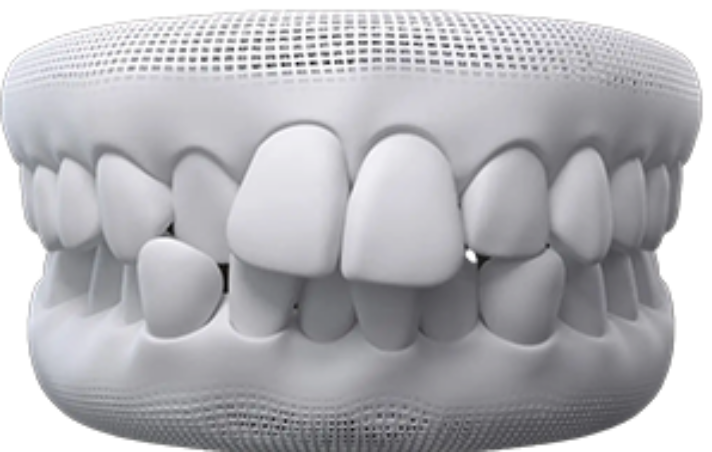
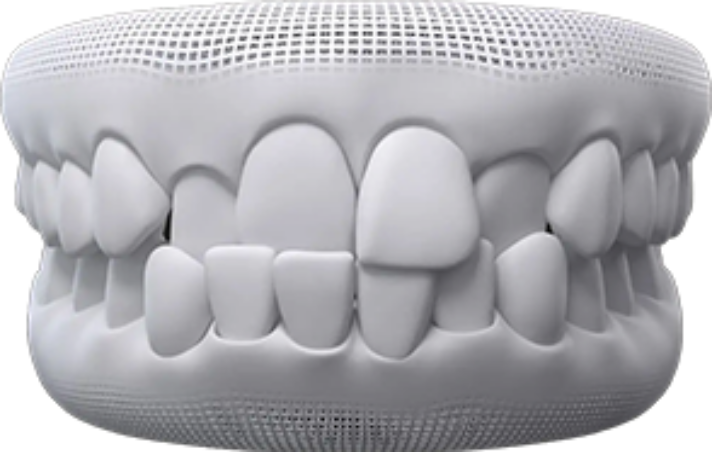
Crowded teeth are a condition where you do not have enough room for your teeth to fit normally. This can cause plaque or tartar and other harmful bacteria to build up as it is harder for you to brush and floss well.
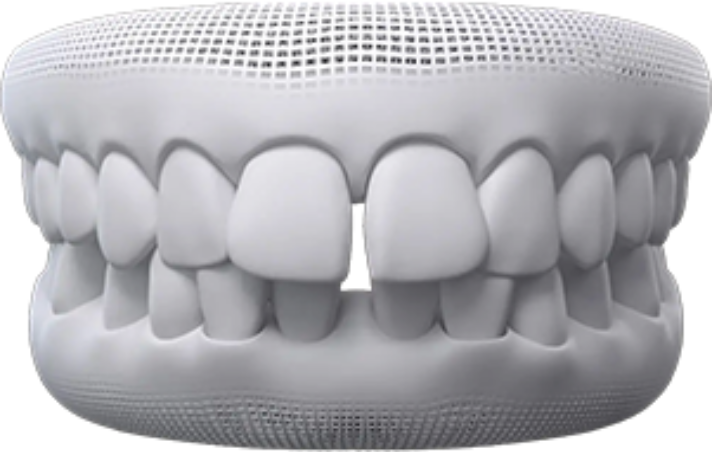
Gaps between teeth are when there is extra space between two or more of your teeth. This can cause pockets between your teeth and gums, causing food to get stuck and making them tender and sore. This might also lead to gum disease.
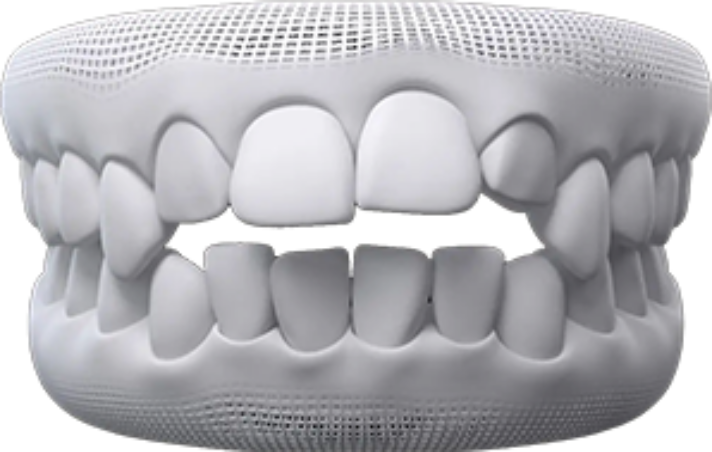
An open bite is when your upper and lower teeth don't touch when you close your mouth. An open bite can make it hard for you to chew or difficult to bite even the most common of foods like apples.
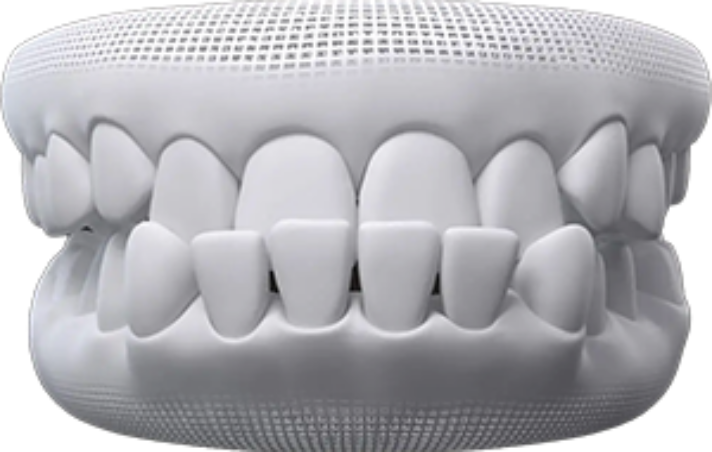
An underbite is when you close your mouth, and your lower front teeth are in front of your upper teeth. In many cases, this is actually a problem with your lower jaw being too far forward. An underbite can make it hard to chew properly and speak clearly, and it might cause your teeth to wear down more quickly.
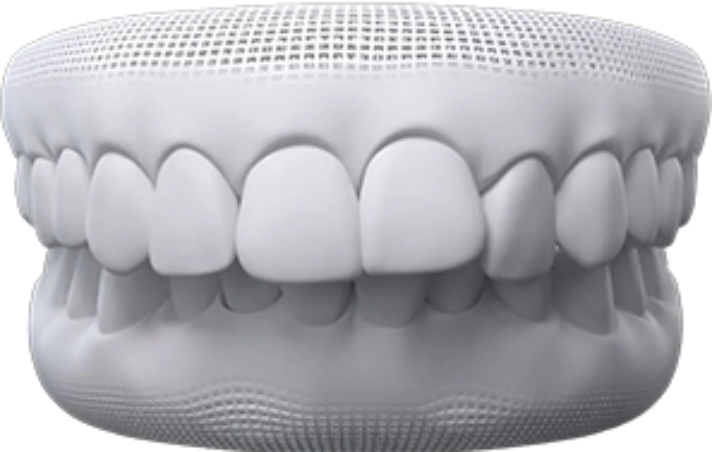
An overbite is when your upper front teeth overlap with your lower front teeth. Most people have at least a little overbite. When your overbite is too large, your dentist might tell you that you have a deep bite. This can cause problems, from your teeth wearing down to pain in your jaw.
A crossbite is when you close your mouth, and yet some of your upper teeth sit inside your lower teeth rather than on the outside. A crossbite can make your teeth wear down or chip. It can also make your gums start to recede or make little notches above your gum line. This kind of damage can lead to painful gum problems or even bone loss.
Many people worry about the cost of Invisalign® braces, and so we have devised a number of payment plans to help you afford the right treatment with Invisalign®. Invisalign® braces from £2.50 per day with our finance options.
Learn MoreWe can create a 3D image of your teeth in just minutes using an iTero scanner, a leading digital scanner from the makers of Invisalign® clear aligners.
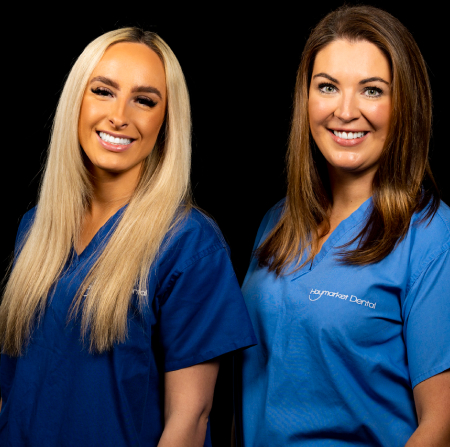
Our dentists are highly skilled Invisalign® providers. Dr Kiki Norman has been transforming smiles with Invisalign® since 2006, and it remains one of the most significant aspects of her practice as a dentist.
We will look at your smile as a whole and advise on how to achieve your perfect smile. This may mean that you would just like to straighten your teeth, or you may like to enhance your smile using composite bonding. With the end goal in mind, we can plan how we want your teeth to look before we start treatment.
Our practice is fully digitised; we use Itero scanning technology to obtain digital scans to create your Invisalign® aligners. This system focuses on patient comfort and reduces treatment time, whilst minimising margin for error.
The technology and methods we use add up to a predictable result we know you’ll fall in love with every day in the mirror.
A suitable candidate for Invisalign® ticks the following boxes:
The aligners apply gentle pressure, moving your teeth into the next pre-planned position in the sequence displayed by the 3D digital treatment planning software. Once your teeth have reached a certain position, the next aligner in the sequence takes over (approximately every 1-2 weeks).
It might take a day or two to acclimatise to each new Invisalign® aligner in the sequence. In some cases, some mild pressure can be felt when the aligners are moving your teeth, but this can be managed with over-the-counter medication if needed (most people find that they don’t require it). The pressure that can be felt with each aligner change shows that the teeth are moving.
No. Eating with your Invisalign® aligners in will lead to bad oral hygiene, namely the accumulation of a lot of plaque (it’s also quite challenging to eat with them in!)