Single Tooth Implants
- Home
- /
- Treatments
- /
- Dental Implants
- /
- Single Tooth Implants
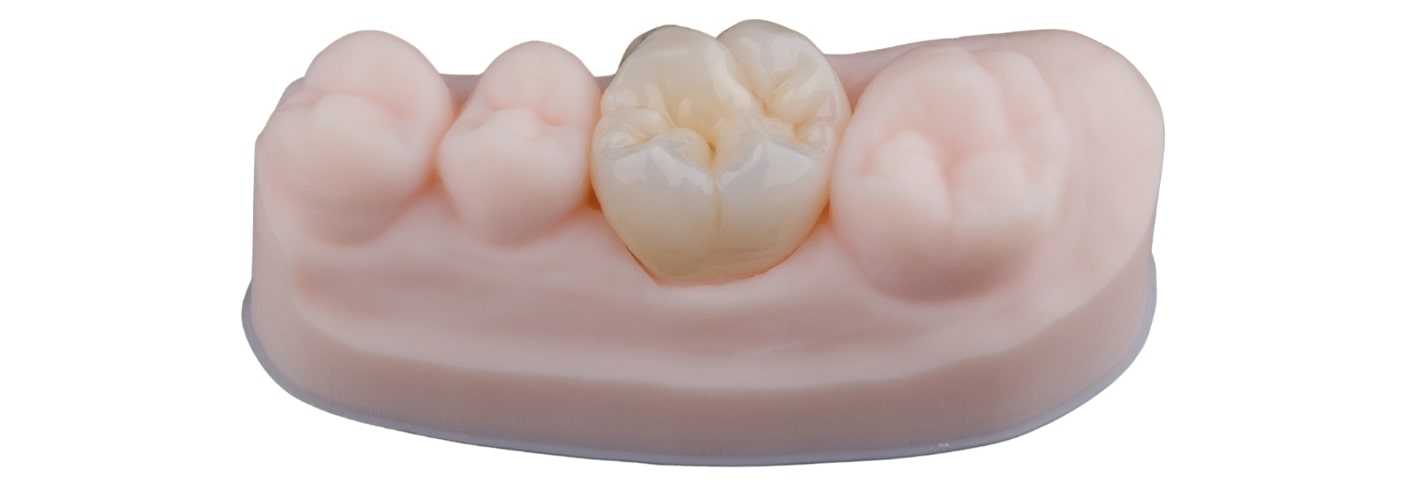
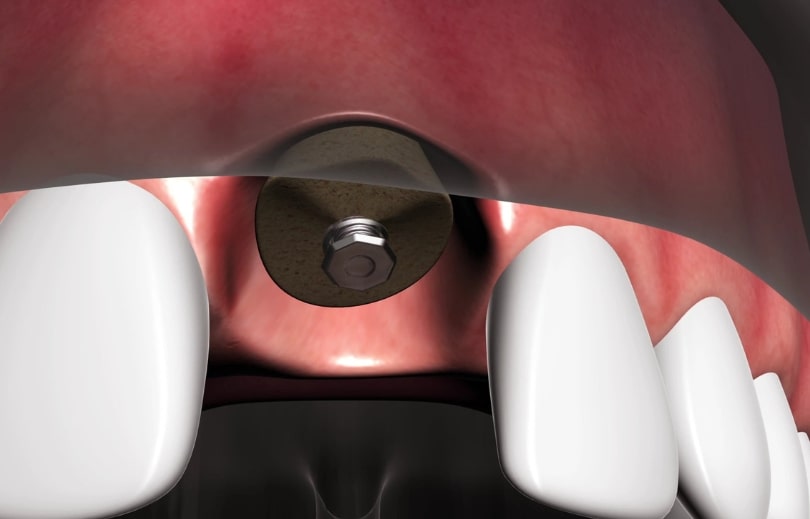
This remarkable treatment mimics the function and aesthetic of natural teeth in a way that no other tooth replacement can, thanks to the fact that they exist as replacement tooth roots in the jawbone.
Dental implants are more than a replacement tooth – they enhance your life in a variety of different ways.

This is an informal, no-obligation chat about your options, and we welcome any questions you have (no question is too small when you’re considering tooth replacement treatment).
A CBCT scan, X-rays and a full examination of your mouth are carried out. This information helps us to establish your suitability and to plan your treatment.
The implants are placed under local anaesthesia. We will give you a comprehensive breakdown of what to expect on your surgery day and how to prepare. IV sedation can be arranged if requested.
The healing time after implant surgery is generally between 3 and 6 months. It is normal to expect some bruising and swelling in the few days post-surgery.
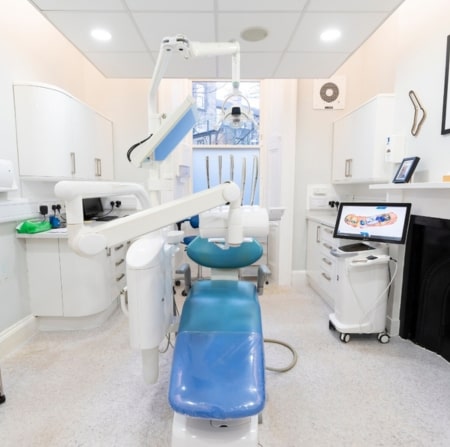
Once your jaw has healed, we can take a dental scan of your mouth to create your new crown (which is made on-site and available on the same day). We are one of the few practices in our area to offer this, which reduces the treatment time for our patients and makes your patient journey more comfortable. No messy impressions!
Our workflow is fully digital, which means accuracy is at the heart of everything we do. Nothing is left to chance, and the systems we use are state-of-the-art.
Our implant dentist (and joint practice owner), Dr Andrew Norman, is an experienced implant provider who has undergone comprehensive training at the PID academy since 2015. He continually studies and researches the field of implants (you might say he’s a bit of a geek when it comes to implants and restorative oral surgery). In short, he loves dentistry that makes a difference to patients’ lives, and implant dentistry couldn’t fit this definition more suitably.
Dental implants are synthetic replacement tooth roots, yet they behave like the real thing.
Once placed into the jawbone under local anaesthetic, they encourage the jawbone to grow around them (as if they were real tooth roots!).
This remarkable integration between the implant and the jawbone means that you’re left with a strong replacement tooth with which you can chew and bite as if it were the real thing.
Yes. If you have lost most (or all) of your teeth, we may recommend implant-retained dentures or an implant-retained bridge. These options are fantastic for patients who are tired of wearing wobbly dentures or uncomfortable bridges.
They also offer a cost-effective solution for tooth loss, as few as 4 implants can be used to retain a whole set of teeth within each jaw. Not only does this work out much cheaper than single implants for individual teeth, but it provides the same amazing degree of stability, too.
The implant process can take several months due to the healing period (this can take up to 6 months in some cases). Factors that determine the healing time include:
Dental implants can last for a lifetime when they are properly cared for. Like real teeth, implants can be affected by gum disease, so it’s important to care for them in the same way you care for your natural teeth.
Your dentist will demonstrate how to brush and floss around the implant and advise you on how often you should attend routine check-ups.
The restoration for your implant (the crown, bridge or dentures) that sits in your mouth may need to be replaced every 15-20 years due to general wear and tear sustained when you bite and chew.


I have been there for 15 years! Andrew is fantastic at giving painless applications and has a very professional and warm attitude towards the patients. I would give higher than 5 stars if I could.